
Buying Farm & Ranch Properties in Central Texas: Expert Guide for Prospective Buyers

Purchasing farm and ranch property in Central Texas requires informed evaluation of market conditions, financing, and legal obligations. This guide summarizes trends, valuation basics, promising communities, and the lifestyle benefits of ranch ownership to help buyers make practical investment and lifestyle choices.

Key Takeaways

  • Demand for Central Texas ranch land is rising as buyers seek rural space and lifestyle benefits.
  • Land values have increased, especially for parcels with water and good soils.
  • Smithville, Bastrop, and Round Top combine rural character with access to urban amenities.
  • Financing includes traditional mortgages, agricultural loans, and owner financing.
  • Understand zoning, title issues, and local regulations before purchasing.
  • Unique features (water, fencing, structures) materially affect price.
  • Luxury ranch homes deliver privacy, recreation, and community ties.
  • Local services and recreational amenities support ranch living.

What Are the Current Market Trends for Central Texas Ranch Properties in 2023?

The Central Texas ranch market is growing, driven by urban-to-rural migration and stronger interest in self-sufficient living and outdoor space. Demand is concentrated for larger parcels that support recreation and small-scale agriculture, creating upward pressure on prices.

This trend corresponds with broader observations on changing motivations for rural property ownership.

Shifting Motivations for Rural Lifestyle Property Ownership

Motivations for acquiring rural land are shifting from an agricultural-production focus toward preferences for natural and cultural amenities. These changes in land use and management have implications for the type and distribution of landscape-level disturbances and for the delivery of ecosystem services.

Decision-Making on Small, Lifestyle Properties and the Implications for Natural Resource Management, 1982
How Have Ranch Land Values Changed in Central Texas Recently?

Values have risen noticeably. Historical price patterns show higher average cost per acre, especially where water access and soil quality support agriculture or reliable recreation. Limited supply in desirable locations has amplified price gains.

Which Central Texas Communities Offer the Best Investment Potential?

Smithville, Bastrop, and Round Top stand out for combining rural appeal with reasonable access to services and urban centers. These markets offer a mix of hobby farms and larger ranches; indicators suggest continued appreciation in areas with strong location and amenity advantages.

What Financing and Legal Considerations Should Buyers Know for Texas Ranch Properties?

Buyers should review financing alternatives and legal constraints early. Options include traditional mortgages (standard underwriting), agricultural loans (terms for farming operations), and owner financing (flexible seller terms). Zoning, easements, water rights, and title matters can limit use and value, so consult experienced professionals.

What Are the Key Financing Options for Purchasing Ranch and Acreage Properties?

Common financing routes:

  1. Traditional Mortgages: Bank or credit union loans with typical down-payment and credit requirements.
  2. Agricultural Loans: Lender products designed for farmland purchases and improvements.
  3. Owner Financing: Seller-held notes that can simplify terms when available.

Which Legal Requirements and Rural Zoning Laws Affect Ranch Buyers in Central Texas?

Local zoning sets permitted uses and affects livestock, structures, and building permits. Title searches and surveys confirm boundaries and reveal easements or restrictions. Verify water rights and any conservation or subdivision rules that could affect future use.

How to Evaluate and Appraise Farm and Ranch Land in Central Texas?

Appraisals should weigh acreage, soil, water availability, fencing, access, and on-site improvements. Use a rural-experienced appraiser and a comparative market analysis (CMA) to establish fair market value and identify issues affecting usability.

What Factors Influence Land Valuation and Acreage Pricing?

Key valuation drivers:

  • Market Demand: Local buyer interest and comparable sales.
  • Location: Proximity to roads, services, and urban centers.
  • Property Features: Water, fencing, structures, and topography.

How Can Buyers Use Property Features and Market Data to Assess Value?

Combine CMA results with on-site assessments of utilities, access, and land condition. Consider potential for income (lease, grazing, timber) and likely resale appeal when estimating value.
 

What Are the Lifestyle Benefits of Owning Luxury Ranch Homes in Central Texas?

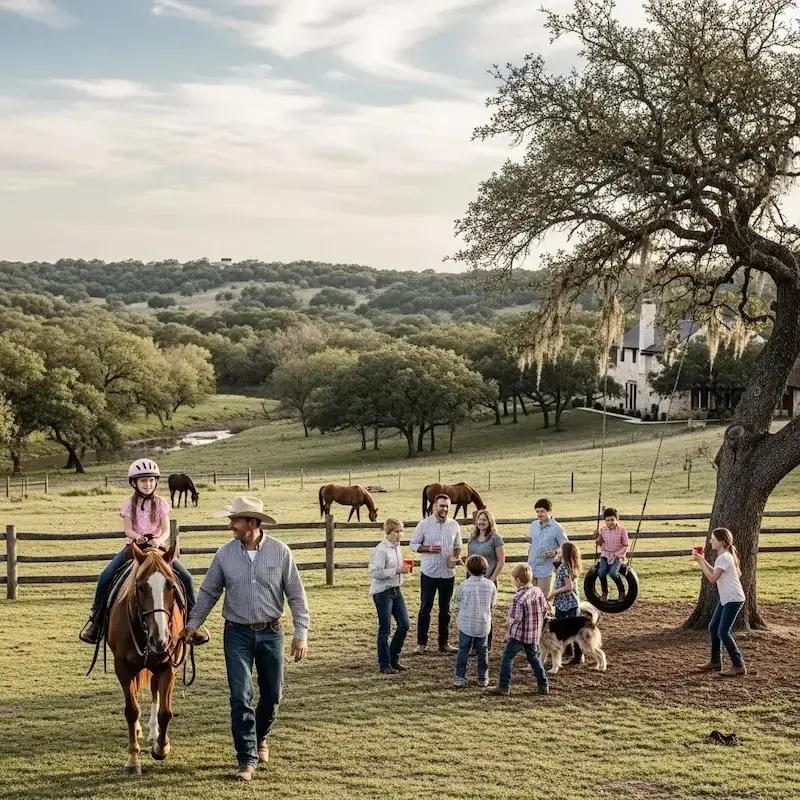
Luxury ranch homes offer privacy, open space for recreation, and a community of landowners. Outdoor pursuits—horseback riding, hiking, small-scale farming—are readily supported, and many buyers value the connection to the natural landscape.

Consider engaging a local specialist such as Stacy Hippler for representation. A market-savvy agent can streamline searches, negotiations, and due diligence to match properties to both lifestyle and investment goals.

How Does Rural Living in Smithville and Bastrop Enhance Quality of Life?

Smithville and Bastrop offer a slower pace, community events, scenic landscapes, and access to local markets. These factors often improve wellbeing and encourage neighbourly engagement that supports rural living.

What Community Amenities and Local Features Support Ranch Living?

Local amenities that matter:

  • Local Services: Vets, feed stores, and suppliers.
  • Recreational Opportunities: Parks, trails, lakes, and hunting or equestrian facilities.
  • Cultural Aspects: Festivals and markets that sustain rural traditions.

Understanding local services and amenities helps buyers assess daily convenience and long-term enjoyment of a property.

Frequently Asked Questions

What should I consider when choosing a location for my ranch property in Central Texas?

Evaluate distance to urban centers and services, school quality if relevant, access to water and good soils, topography for intended uses, and local culture to ensure a lasting fit.

How can I determine the right size of ranch property for my needs?

Match acreage to your intended use—recreation, hobby farming, or commercial production. Consider livestock or crop needs, desired privacy, and management capacity; a local agent can help align needs with listings.

What are the tax implications of owning ranch property in Texas?

Expect property taxes and possible agricultural-use exemptions that can lower taxes if the land qualifies. Capital gains taxes apply on sale. Consult a Texas tax advisor for specifics and eligibility.

What are the common challenges faced by ranch property owners in Central Texas?

Challenges include water management, drought risk, market fluctuations, land maintenance, and compliance with zoning and regulations. Building local professional networks helps manage these issues.

How can I ensure the sustainability of my ranching practices?

Adopt practices that preserve soil and water—rotational grazing, cover crops, integrated pest management—and consult extension services or conservation programs for technical support.

What role does community engagement play in ranch living?

Active participation in local events, markets, and organisations fosters relationships, resource sharing, and cooperative solutions to shared challenges.

Conclusion

Central Texas ranch investments combine market opportunity with lifestyle benefits. Focus on valuation, legal due diligence, and suitable financing, and work with local experts to align purchases with long-term goals. Start by reviewing resources, engaging a qualified agent, and conducting thorough property inspections.